
Our pet dentistry services address far more than just your pet’s breath. Dr. Jamie Lenberg and Dr. Cindy Barnes at Luxe Vet understand that oral disease can impact your companion’s heart, kidneys, and overall quality of life. Our Phoenix facility combines advanced digital imaging with thorough professional cleanings to protect your pet’s health from the inside out. Serving pets throughout Paradise Valley, North Scottsdale, and Tempe, we make comprehensive dental care accessible through convenient scheduling and transportation services for members.
Pet Dentistry
Understanding Pet Dentistry
Dental disease ranks among the most common yet preventable health problems affecting dogs and cats. Tartar begins forming within hours after eating, hardening into calcified deposits that irritate gums and create pockets where bacteria thrive. These bacteria release toxins that destroy the bone supporting teeth, eventually causing tooth loss if left untreated. The infection doesn’t stay localized. Microorganisms enter the bloodstream through inflamed gum tissue and travel throughout your pet’s body.
Your companion’s instinct to hide pain means you won’t notice dental discomfort until disease reaches advanced stages. Pets continue eating normally even with multiple infected teeth because their survival drive overrides their ability to show weakness. By the time symptoms become obvious, such as dropping food, pawing at the face, refusing hard kibble, significant damage has already occurred. Professional dental evaluation identifies problems during the reversible stages when treatment is simpler than waiting for visible symptoms to appear.
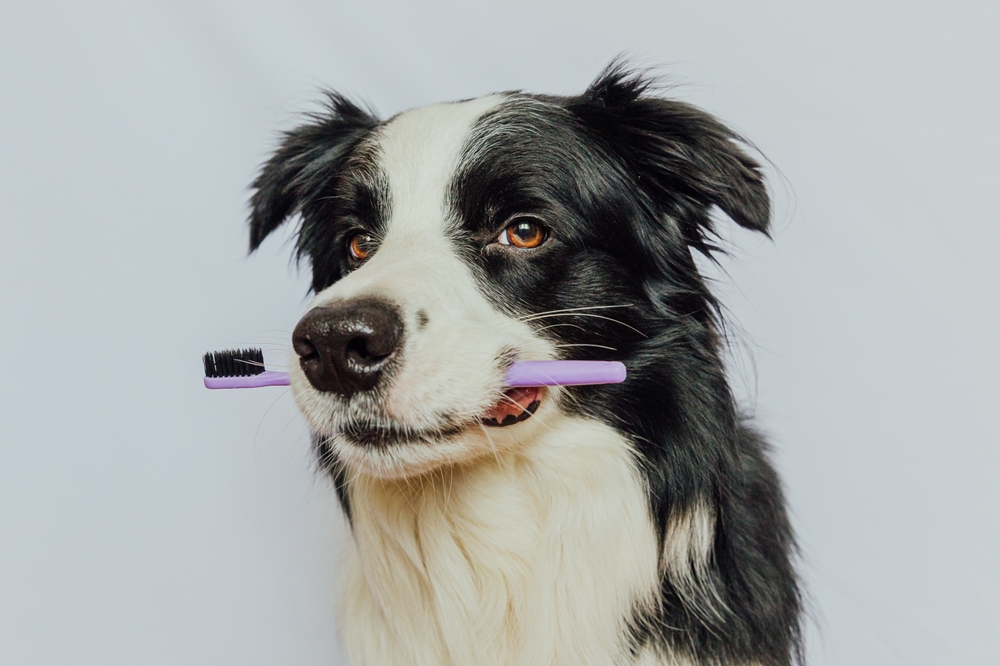
Why Choose Us for Pet Dentistry
Most veterinary practices treat dental care as a separate service you schedule once problems develop. Dr. Jamie Lenberg and Dr. Cindy Barnes integrate oral health assessment into every wellness visit, catching disease progression before teeth become loose or infections spread to internal organs. Our preventive philosophy stems from the understanding that periodontal disease affects far more than mouths. Bacteria may enter the bloodstream and damage hearts, kidneys, and livers over time.
With our seven-day weekly schedule, dental emergencies won’t force you to go to emergency clinics unfamiliar with your pet’s medical history. Walk-in availability during business hours addresses urgent oral pain immediately rather than making your companion wait days while suffering. Our approach considers how existing conditions like kidney disease or heart murmurs affect anesthesia safety, adjusting protocols to protect pets with complex medical needs during dental procedures requiring sedation. Dr. Barnes’ experience establishing an emergency animal hospital and a vet practice management software combined with Dr. Lenberg’s internal medicine background paves the way for dental care informed by whole-body health considerations.
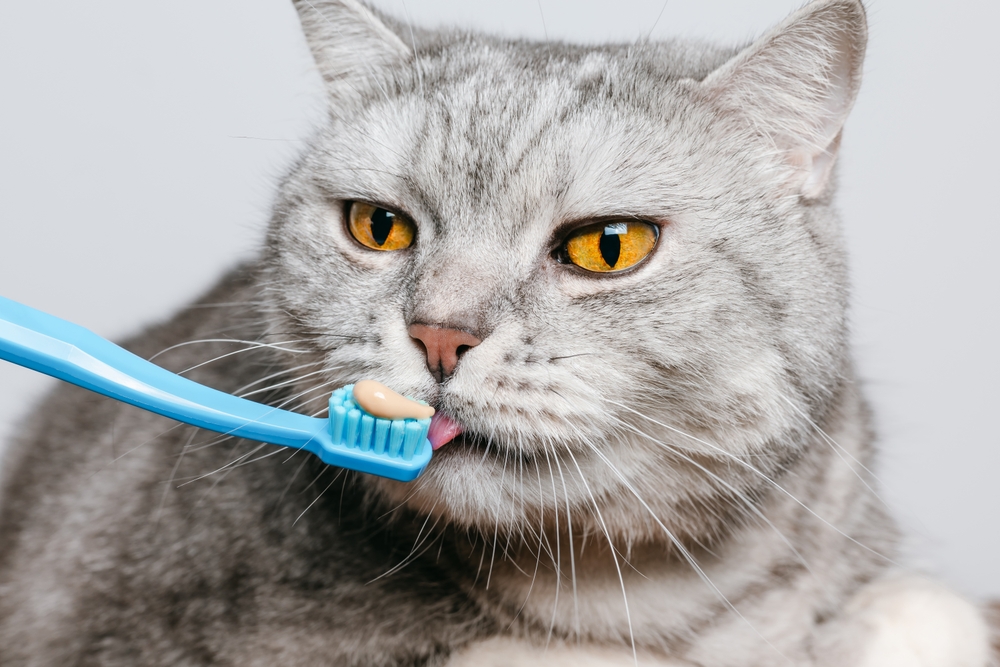
Pet Dentistry Services We Offer
Our dental program addresses oral health through multiple specialized services that work independently and together depending on your pet’s needs. Your companion may require preventive maintenance or treatment for existing problems, and our approach centers on protecting both teeth and overall health.
Concierge Wellness Care
Dental wellness extends beyond checking teeth during annual exams. Your pet’s oral cavity receives thorough evaluation at each visit, with findings entered into comprehensive health records that reveal patterns over time. Our veterinary team identifies risk factors specific to your pet, including jaw alignment issues and chewing habits, then designs prevention strategies that fit your daily routine. This proactive model shifts focus away from reacting to dental disease toward stopping it before bacteria cause irreversible damage.
Dental Cleanings
Cleaning procedures target the bacterial colonies living beneath gums where inflammation begins and spreads to surrounding bone. Specialized scaling tools access tight spaces between teeth and tissue that harbor infection-causing microorganisms. Anesthesia allows complete oral cavity access without stress or pain, enabling our team to address every tooth surface including molars positioned far back in the mouth. Post-cleaning polish smooths microscopic roughness that would otherwise collect new plaque within days.
In-House Radiology (X-Rays)
Diagnostic imaging captures what remains invisible during visual inspection of the mouth. X-rays penetrate tooth enamel to expose internal decay, reveal roots splitting beneath intact crowns, and show bone deteriorating around tooth foundations. The digital format allows immediate viewing without waiting for film development, and our veterinarians adjust contrast settings to highlight specific structures. Images stored electronically enable side-by-side comparison with future x-rays, making subtle changes easier to detect.
Dental Emergencies
Urgent situations demand immediate attention rather than waiting days for the next available appointment. Pets arrive with bleeding gums caused by trauma, abscessed teeth causing facial swelling, or foreign objects wedged between teeth. Our walk-in policy eliminates appointment barriers when pain strikes suddenly. Emergency protocols prioritize stabilization and comfort, then address underlying problems once acute symptoms are controlled.
Our Approach to Pet Dentistry
Each step builds on the previous one to deliver complete oral health restoration while prioritizing your pet’s safety and comfort.
Initial Oral Health Evaluation
Our veterinarian examines your pet’s entire mouth during a wellness visit or dedicated dental appointment, noting which teeth show damage and where gum recession has occurred. Dr. Lenberg documents existing problems in your pet’s medical record, creating a baseline for tracking changes during future visits. This examination identifies immediate concerns requiring treatment and subtle issues that need monitoring before they worsen into painful conditions.
Diagnostic Imaging and Treatment Strategy
Digital x-rays capture the hidden 60% of each tooth that lies below the visible surface, revealing infections and bone loss that haven’t yet caused obvious symptoms. Our veterinary team analyzes these images to determine which teeth can be saved through cleaning and which require extraction to prevent spreading infection. Your treatment plan addresses current problems while establishing prevention measures that reduce the likelihood of recurring dental disease.
Anesthetic Procedure and Therapeutic Intervention
Pre-operative blood work confirms your pet can safely tolerate anesthesia before any sedation occurs. Once your companion rests comfortably, our dental team accesses every tooth surface to remove calcified deposits and infected tissue that harbor bacteria. Dr. Barnes performs necessary extractions, sutures surgical sites, and completes final polish to eliminate rough surfaces where plaque adheres most readily.
Recovery Supervision and Homecare Training
Your pet wakes gradually in a temperature-controlled recovery area while staff monitor consciousness level and vital signs until fully alert. Our veterinarian reviews procedure findings with you in detail, showing before-and-after images that document improvements achieved. You practice brushing techniques on dental models and receive product recommendations specific to your pet’s mouth size, temperament, and remaining teeth.
Long-Term Maintenance Planning
Follow-up visits assess healing progress and verify that home care routines effectively control plaque formation between professional cleanings. Our team adjusts your pet’s dental maintenance schedule based on observed tartar accumulation rates rather than applying generic timeframes. This individualized approach means pets prone to rapid buildup receive cleanings more frequently while those maintaining excellent oral health can extend intervals between procedures.
Learn More About Our Pet Dentistry Services
Oral disease progresses silently until your pet loses teeth or develops infections, which is why our pet dentistry services focus on early intervention. Regular dental cleanings stop this progression, preserving your companion’s ability to eat comfortably and protecting organs against bacterial contamination circulating through the bloodstream. Waiting until breath smells foul or teeth look discolored means disease already caused damage that professional treatment must now reverse rather than prevent.
Dr. Jamie Lenberg and Dr. Cindy Barnes at Luxe Vet combine advanced diagnostic imaging with thorough cleaning techniques that address disease where it starts, beneath the gum line. Our Phoenix facility at 4727 E Cactus Rd, Suite 124 serves pets throughout the Valley with dental care backed by decades of combined veterinary experience. Call 480-542-2882 to discuss your pet’s oral health needs, and follow our Facebook and Instagram accounts for practical dental wellness information you can implement at home between professional cleanings.
Request Appointment
FAQs
Do cats need dental cleaning?
Cats absolutely need professional dental cleanings because they develop periodontal disease just like dogs, often with more severe consequences. Feline teeth are particularly susceptible to resorptive lesions or painful cavities that destroy teeth internally and only show up on dental x-rays. Without regular professional care, cats suffer silently with painful mouths that prevent proper eating and grooming.
How to treat dental disease in dogs?
Dental disease treatment begins with professional cleaning under anesthesia to remove tartar below the gum line where bacteria cause the most damage. Your veterinarian extracts diseased teeth that can’t be saved and treats gum infections with appropriate medications. At home, you continue care through daily brushing, dental-specific diets, and regular professional cleanings at intervals your veterinarian recommends based on disease severity.
How long does a dog's dental cleaning take?
Most dental cleanings require two to four hours including check-in and recovery, depending on the severity of tartar buildup and whether extractions are necessary. The actual cleaning procedure typically takes 45 to 75 minutes while your dog rests under anesthesia. Additional time accounts for pre-procedure preparation, digital x-rays, post-cleaning recovery monitoring, and discharge instructions with your veterinarian.
How to prevent dental disease in dogs?
Prevention starts with daily tooth brushing using pet-specific toothpaste, ideally beginning when your dog is young to establish the routine. Dental-specific diets and chews help reduce tartar buildup between professional cleanings, though they don’t replace brushing or veterinary care. Regular professional examinations catch developing problems early, and scheduling cleanings before significant tartar accumulates prevents the disease progression that leads to tooth loss.
How to remove tartar from a dog’s teeth without a dentist?
Home dental care prevents new tartar formation through daily brushing but doesn’t eliminate existing buildup below the gum line where disease develops. You cannot safely or effectively remove established tartar at home. Attempting to scrape it off with tools risks injuring gums and damaging tooth enamel. Professional cleaning under anesthesia remains the only way to thoroughly remove tartar and treat the periodontal disease it causes, protecting your dog’s long-term health.