
Feline calicivirus is a viral infection in the cat that causes upper respiratory symptoms, ulcers in the mouth, and rarely, arthritis in joints. Unvaccinated kittens are most likely to be infected. It is a highly contagious virus, making cats in a multi-cat environment (breeders and shelters) more at risk for infection. Calicivirus is spread via ocular, nasal, or oral secretions and can last up to one week in the environment.
 Symptoms of calicivirus include lethargy, poor appetite, eye discharge and swelling, nasal discharge, sneezing, drooling, and lameness or reluctance to walk. Symptoms can be highly variable from mild upper respiratory infection to severe disease that affects multiple body systems. There also is a highly virulent form of calicivirus that causes high fever, depression, swelling of the legs, jaundice, multi-organ failure, and death. This form of calicivirus is rarely reported and seems to affect mostly adult cats.
Your veterinarian will likely be suspicious of calicivirus infection based on your cat’s history, clinical signs, and physical exam. If your cat has significant ocular signs, diagnostic testing of the eyes including fluorescein stain may be warranted. It is uncommon to test for calicivirus specifically, however, it can be done, especially if many cats are infected in a particular shelter or cattery. Your veterinarian may also recommend viral testing (FeLV/FIV) to rule out underlying immune compromise.
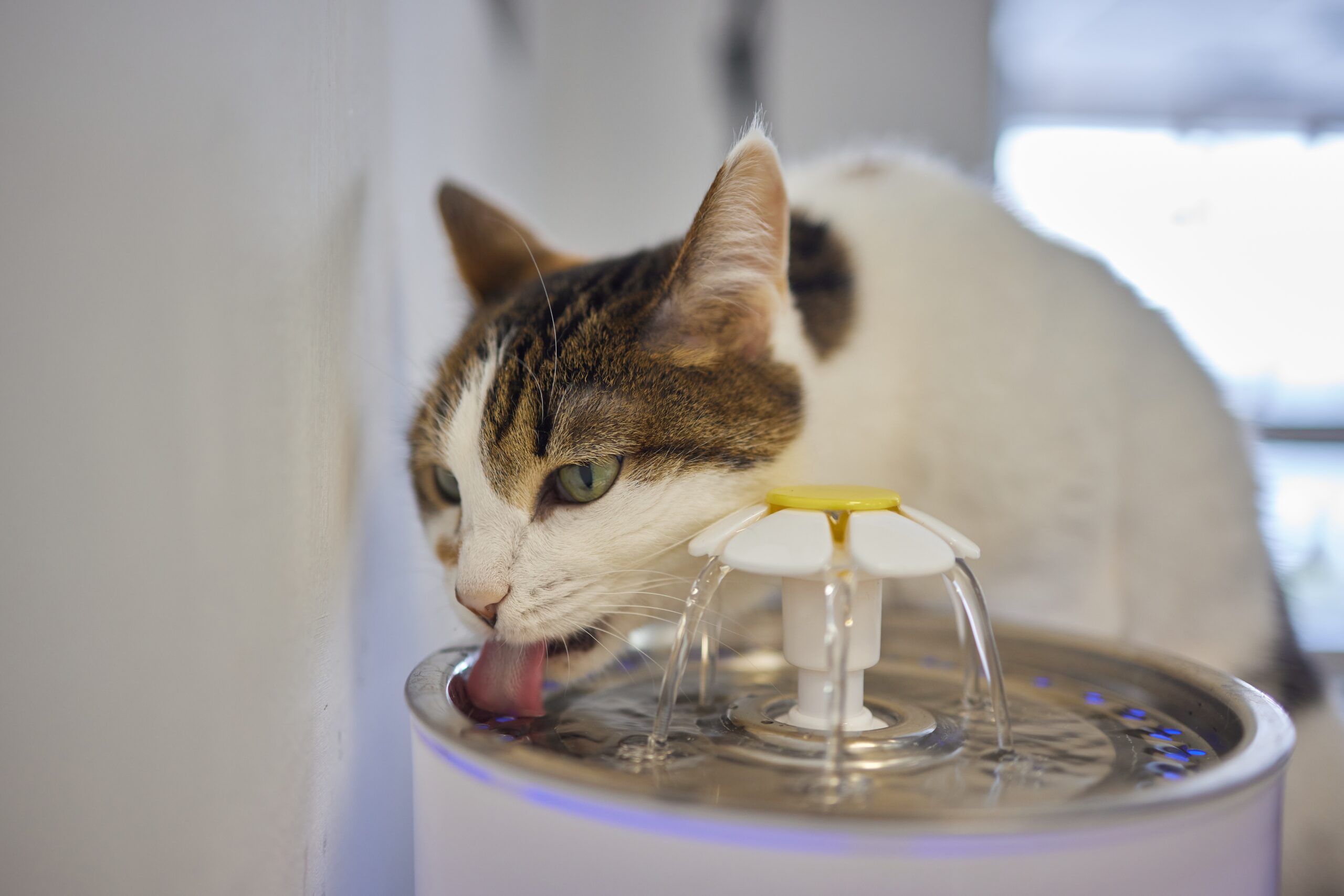
The treatment for calicivirus infection is based on supportive care, as there is no specific treatment for the virus. Maintaining hydration, providing nutrition if not eating, treating any secondary infections, and pain control is typical in the treatment of calicivirus. Most cats can be treated at home, however, in severe cases, hospitalization may be required. As this disease is highly contagious, good hygiene is important. Preventing direct contact between your infected cat and other cats, cleaning all items used (i.e. food/water bowls, litterboxes, toys, cages), good handwashing practices, and changing clothes after handling an infected cat are all needed to prevent spread to other cats. A dilute bleach water solution (1 part bleach to 32 parts water) is an effective cleaning agent.
Prevention of calicivirus is accomplished through appropriate vaccination of kittens and adults. Calicivirus is part of the standard “core” vaccination of cats. Your veterinarian will advise you on the recommended vaccination series for your cat. When bringing a new cat into your household, isolation of the new cat is recommended for 1-2 weeks prior to introduction to the household, to prevent spread of disease. Calicivirus is not transmissible to humans.
Source: Cote E. Clinical Veterinary Advisor, Dogs and Cats. 1st edition. Saint Louis, MO, USA: Mosby Elsevier. 2007.