
Feline panleukopenia is a fast-acting viral infection that affects rapidly dividing cells, most notably in the lining of the intestines and the bone marrow, which produces the body’s white blood cells. This disease is similar to the parvovirus in dogs and is usually most severe in unvaccinated kittens or cats who haven’t been previously exposed. The virus is highly contagious and is shed in large amounts in an affected cat’s fecal material. Because it can survive in the environment for months to years and resists many common cleaners, it spreads easily between animals.
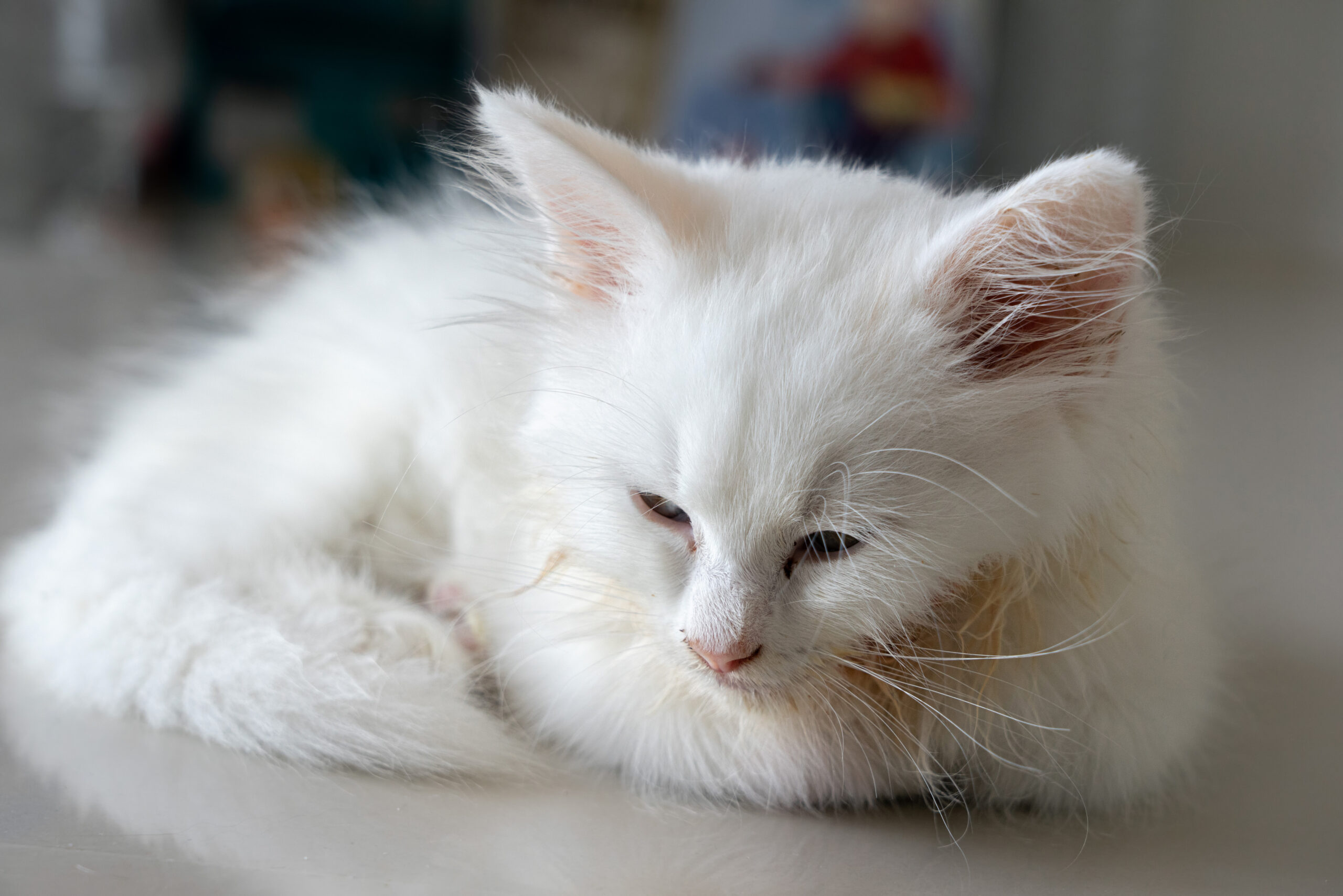
Signs of feline panleukopenia often include vomiting, lack of appetite, painful abdomen, diarrhea, fever, depression, or even sudden death. Diagnosis is often obtained with history, clinical signs, a thorough physical exam, and a special fecal test that checks for the virus in the stool. Bloodwork can often show a low white blood cell count, anemia, and dehydration. There is no specific treatment for the actual virus itself; rather, supportive care is indicated until the kitten’s body is able to defend itself against the virus. This typically includes keeping the pet isolated indoors to prevent any further contamination. IV fluids to help restore hydration is also extremely important. Medication for vomiting, as well as antibiotics for any secondary bacterial infections that may be present, are commonly prescribed. In some severe cases, a plasma or blood transfusion may be indicated.
Because the virus is resistant to most commercial disinfectants, cleaning of the contaminated environment is best achieved with a 1:32 dilution of household bleach. The prognosis will depend on the pet’s age, the severity of the virus, and any other underlying health issues. With prompt diagnosis and a good response to supportive care, some pets can recover, but in many cases, the prognosis may be poor despite treatment. Recovered cats are immune to the infection for the remainder of their lives. For cats that have never been infected, prevention is best achieved with routine vaccination.
Sources:
Tilley, Larry P., and Francis W.K. Smith. Blackwell’s Five-minute Veterinary Consult Canine and Feline. 5th ed. Ames, IA: Wiley-Blackwell, 2011.
Yin, Sophia A. The Small Animal Veterinary Nerdbook. 3rd ed. Davis, CA: CattleDog, 2010.