
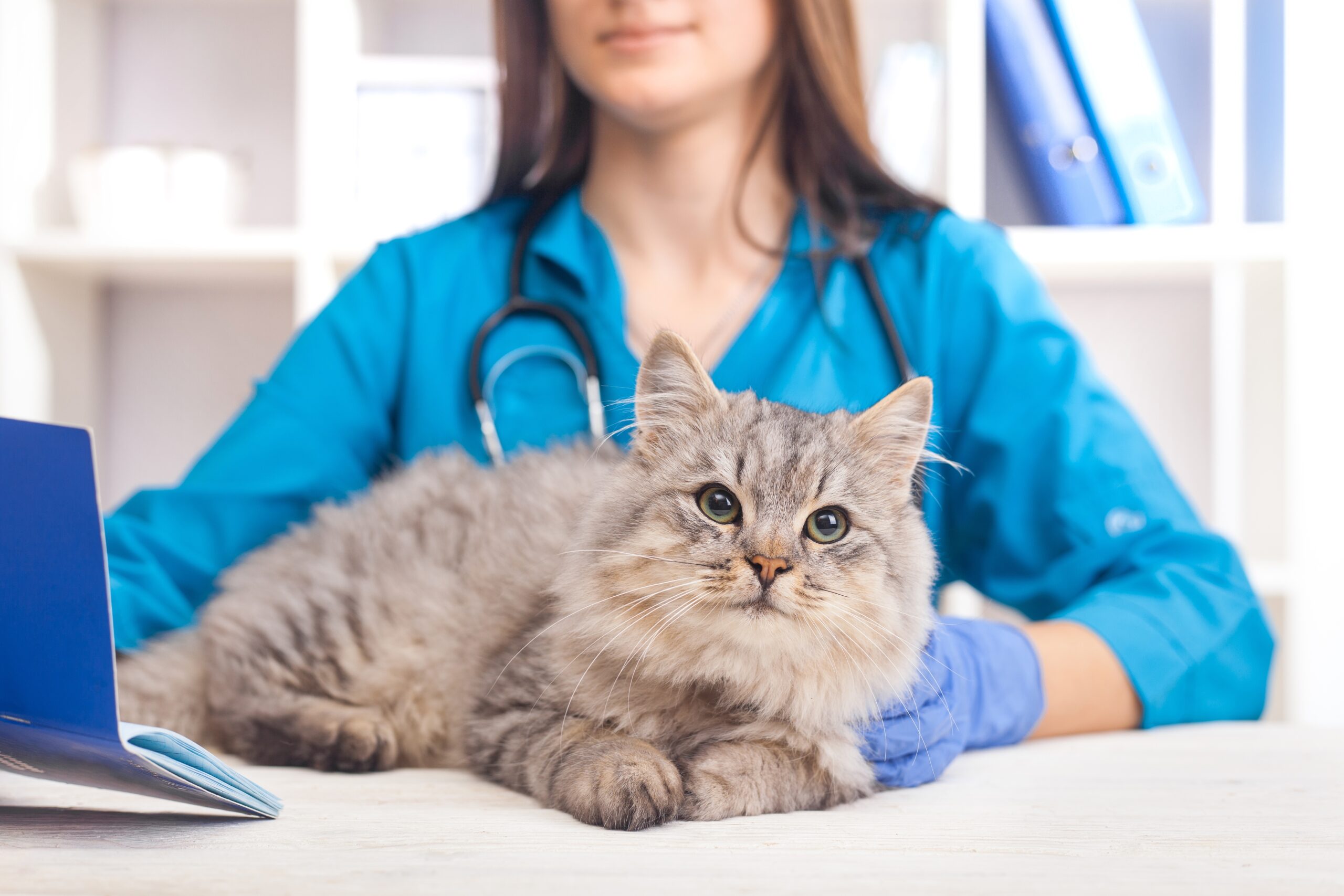
 When your beloved pet needs surgery, one of the most pressing questions that weighs heavily on your mind is: “How long will recovery take?” Recovery times vary significantly—from 7-10 days for simple procedures like neutering to 6-12 weeks for complex orthopedic surgeries. Understanding these timelines helps you prepare for what lies ahead and ensures your furry family member heals properly.
At Luxe Vet, our experienced veterinary team provides comprehensive post-operative care to support both pets and their families through the recovery process. Several factors influence healing, including the type of veterinary surgery performed, your pet’s individual health and age, and how closely post-operative instructions are followed.
What Every Pet Parent Gets Wrong About Surgery Recovery
- Spay and neuter procedures typically heal within 7-14 days with proper activity restrictions and monitoring of the incision site.
- Orthopedic repairs require the longest recovery, 6-12 weeks, because bone healing cannot be rushed.
- Soft tissue surgeries generally heal faster (2-3 weeks) thanks to a better blood supply that promotes rapid cellular repair.
- Following post-operative instructions precisely prevents complications that could require additional veterinarian surgery and extend recovery time.
- Pain medications and physical therapy significantly improve outcomes and comfort during the healing process.
Want the quick answer? Here’s Exactly How Long Each Surgery Takes to Heal
Planning makes all the difference when your pet needs veterinarian surgery. Here’s a quick reference guide to typical recovery timelines.
Keep in mind that individual pets may heal faster or more slowly depending on age, health status, and adherence to post-operative care protocols.
- Spay Surgery (Female): Expect 10-14 days for complete healing. The incision site requires daily monitoring, and activity restrictions help prevent complications that could significantly prolong recovery.
- Neuter Surgery (Male): Recovery typically takes 7-10 days. This procedure is less invasive than spaying, with smaller incision sites that heal faster and require less intensive post-surgical care.
- Soft Tissue Surgery (mass or tumor removals): Simple procedures heal in 2-3 weeks, while complex internal surgeries involving reproductive organs or the bladder may require 3-4 weeks of careful monitoring.
- Orthopedic Surgery (ACL or cruciate ligament repair): These procedures require 6-12 weeks of structured physical therapy and crate rest. Bone healing follows biological timelines that cannot be accelerated.
- Dental Surgery: Most pets return to normal eating within 1-2 weeks. The mouth’s excellent blood supply promotes faster healing compared to other surgical sites.
- Emergency and Trauma Surgery: Recovery timelines vary dramatically depending on the procedure’s complexity and your pet’s overall condition at the time of veterinarian surgery.
Understanding these timelines helps you arrange work schedules, coordinate family support, and prepare your home for your pet’s post-surgical recovery needs.
Why Your Pet’s Recovery Takes Longer (Or Shorter) Than You Expected
General anesthetic requires additional recovery time beyond the healing of surgical tissues themselves. Modern anesthetic monitoring equipment and pre-anesthetic medication help minimize complications, but your pet’s body still needs 24-48 hours to eliminate anesthetic agents from their system fully.
Most pets require 1-3 nights of hospitalization following major veterinarian surgery procedures. During this critical period, the veterinary team monitors vital signs, blood pressure, and pain levels while providing IV catheter support for hydration and medication delivery.
Post-Operative Instructions Are Medical Protocols, Not Suggestions
Following them precisely prevents complications that could require additional veterinarian surgery and significantly extend recovery time. Research from Auburn University’s veterinary medicine program demonstrates that pets following structured post-operative care protocols show significantly better healing outcomes compared to those with less rigorous follow-up care.
According to Purdue University’s surgical service, complications requiring additional veterinary intervention occur less frequently when post-operative instructions are followed precisely. However, this percentage increases dramatically when pet parents allow early return to normal activities or skip prescribed pain medications.
The 5 Critical Questions Every Pet Parent Asks About Surgery Recovery
Understanding the fundamentals of surgical recovery helps you provide better care for your pet. These five questions address the most common concerns pet parents have after veterinarian surgery.
1. WHO needs structured recovery protocols?
Every pet undergoing any veterinarian surgery needs structured post-operative care, regardless of age or procedure type. Young, healthy pets often heal faster, but senior pets can also achieve excellent recovery outcomes with proper care and patience. The veterinary team customizes recovery protocols based on your pet’s specific needs.
2. WHAT does recovery actually involve?
Recovery encompasses three critical phases that veterinary professionals monitor closely. Initial healing occurs during the first 48-72 hours when anesthetic agents clear from the system and post-surgery pain is highest. Active healing occurs during the first 1-2 weeks, as tissues begin to repair and the incision site shows visible improvement. Complete recovery varies by procedure but represents the return to full, unrestricted activity levels. The Elizabethan collar prevents licking and chewing that could introduce bacteria or disrupt healing tissues.
3. WHERE does recovery happen?
Most pets recover at home after initial monitoring and stabilization by the veterinary team. Complex procedures may require 1-3 nights of hospitalization for pain management and professional observation before discharge with detailed post-operative instructions. The home environment plays a crucial role in recovery, requiring modifications to support healing and prevent reinjury.
4. WHY is proper recovery so important?
Following recovery protocols prevents infection, incision breakdown, or re-injury that could require additional veterinarian surgery.
Proper healing ensures your pet returns to full activity without long-term problems or chronic pain that could affect their quality of life. Early detection and treatment of complications prevent minor infections from becoming serious systemic problems.
5. WHEN should you expect recovery milestones?
Initial healing begins immediately after veterinarian surgery, with most pets showing improved comfort within 24-48 hours as anesthetic agents metabolize and pain medications take effect. Appetite typically returns within 24-48 hours, though some pets may show reduced interest in food for several days. Suture removal typically occurs 10-14 days post-surgery, though many modern procedures use absorbable sutures. The follow-up appointment allows your veterinary surgeon to assess healing progress and adjust activity restrictions based on individual recovery rates.
Spay & Neuter Recovery: What Nobody Tells You Until It’s Too Late
The Real Timeline (Not the One Your Vet Rushed Through)
Female spaying typically requires 10-14 days for complete healing. This procedure is more invasive than neutering because it requires internal surgery to remove reproductive organs, creating larger incision sites and more extensive tissue trauma that needs additional recovery time.
Male neutering often heals faster, with most pets returning to normal activity within 7-10 days. This external procedure involves minimal internal disruption, allowing faster healing and earlier return to normal activities without compromising surgical outcomes.
Individual pets may deviate significantly from standard timelines based on age, health status, and compliance with post-operative instructions.
Some young, healthy pets show remarkable healing within 5-7 days, though veterinary professionals still recommend maintaining restrictions for the full prescribed period to prevent complications.
The Daily Checklist Your Vet Should Have Given You
During the first 48 hours post-surgery, your pet will likely seem drowsy from anesthetic agents and may have reduced appetite. This represents normal recovery as the body metabolizes anesthetic medications and begins the healing process. Most pets begin to show more interest in food and their surroundings by day two.
What to monitor daily:
- Normal healing signs: Mild redness that gradually fades over 7-10 days, slight swelling that decreases daily, and clean, dry incision edges that stay properly closed throughout recovery.
- RED FLAGS needing immediate veterinary attention: Excessive swelling that increases rather than decreases, foul-smelling discharge indicating possible infection, separation of incision edges, or persistent bleeding beyond the first day.
- Activity rules: No running, jumping, swimming, or rough play for 10-14 days following spay/neuter surgery. Short, controlled walks on a leash provide necessary exercise without risking injury to healing tissues.
The Elizabethan collar prevents licking and chewing at the incision site, which could introduce bacteria or disrupt healing tissues. While pets may seem uncomfortable initially, most adapt within 24-48 hours to this essential protective device.
Orthopedic Surgery Recovery: It’s a Marathon, Not a Sprint (Here’s Your Training Plan)
Why Bone and Joint Surgery Takes Forever (Actually 6-12 Weeks)
Cruciate ligament repairs, including ACL repairs, require a minimum of 6-12 weeks for proper healing. Bone healing follows biological timelines that cannot be rushed without risking implant failure or re-injury, which would require additional veterinary surgery. Complex orthopedic procedures may require up to 16 weeks for complete recovery.
The cranial cruciate ligament represents the most common orthopedic injury requiring surgical intervention in dogs.
When this crucial knee stabilizer becomes damaged, it causes significant lameness and limping that affects your pet’s quality of life and ability to perform normal activities.
The Week-by-Week Recovery Roadmap
- Weeks 1-4: Strict Crate Rest Phase
Zero activity, except for controlled bathroom breaks, protects initial tissue healing and surgical repairs. Short, slow leash walks only—no running, jumping, or off-leash activity. This critical phase cannot be shortened without risking surgical failure and the need for additional orthopedic repairs.
- Weeks 4-8: Controlled Activity Phase
Gradually increasing activity under veterinary surgeon supervision allows for short walks that can be extended slightly in duration. Running and jumping remain strictly prohibited during this intermediate phase. Physical therapy may begin with range-of-motion exercises that maintain muscle mass while protecting healing tissues from excessive stress.
- Weeks 8-12+: Advanced Recovery Phase
Gradual return to normal activities is guided by healing progress assessed during follow-up exam visits. Some cases may need diagnostic imaging to confirm proper bone healing before full activity clearance. Ongoing management supports optimal joint health and prevents future complications.
Physical therapy plays a crucial role in maintaining muscle mass and joint flexibility during extended recovery periods. Professional rehabilitation combined with prescribed at-home exercises significantly improves long-term outcomes. Laser therapy can accelerate healing by reducing inflammation and promoting cellular repair without the side effects of medication.
Soft Tissue Surgery: The ‘Easy’ Surgery That Isn’t Always Easy
Good News First – Faster Than You Think
Better blood supply to soft tissues than to bone promotes rapid healing after procedures such as mass and tumor removals. Simple mass removals typically heal in 2-3 weeks, allowing pets to return to normal activities relatively quickly. Excellent circulation provides abundant oxygen and nutrients necessary for healing while efficiently removing waste products.
Not all soft tissue surgeries are simple procedures with quick recovery times.
Complex internal surgery involving organs or extensive hernia repairs may require 3-4 weeks or longer for complete healing and safe return to full activity levels.
What Makes Some Recoveries Complicated
Large tumor removals need extended healing periods similar to major orthopedic procedures. Internal surgeries involving reproductive organs or bladder surgeries require intensive post-operative care and careful monitoring for complications. The location and extent of veterinarian surgery significantly influence recovery timeline and complexity.
Small superficial masses often heal within 10-14 days with minimal complications. Larger or deeper masses typically require 2-3 weeks for complete recovery. Areas with high blood supply heal faster than locations subject to frequent movement, which can stress healing tissues and slow the recovery process.
The Recovery Mistakes That Cost Pet Parents Thousands (And How to Avoid Them)
Most complications following veterinarian surgery are preventable through strict adherence to post-operative instructions. Following medical protocols saves money, prevents suffering, and ensures optimal healing outcomes for your beloved pet.
Common complications to avoid:
- Letting them “just play for a minute”: Premature activity causes incision breakdown that requires additional veterinarian surgery, restarts the entire recovery timeline, and creates unnecessary pain and expense for your family.
- Skipping the cone because they hate it: Licking introduces bacteria to the incision site and mechanically disrupts healing tissues. Most pets adapt to the Elizabethan collar within 24-48 hours, making temporary discomfort worthwhile.
- Missing pain medication doses: Under-treated post-surgery pain increases stress hormones that interfere with tissue healing, reduces appetite needed for proper recovery, and causes unnecessary suffering.
- Ignoring early warning signs: Increasing redness, swelling, or discharge with a foul odor indicates an infection that requires immediate veterinary intervention before it becomes a serious systemic problem.
Ensuring Your Pet’s Successful Recovery Journey
Recovery timelines vary from 7 days to 12 weeks depending on the type of veterinarian surgery your pet undergoes. Success depends on following post-operative care protocols, monitoring healing progress, and maintaining open communication with your veterinary team. Patience and consistency throughout the recovery process lead to optimal outcomes.
Schedule a consultation at Luxe Vet for personalized recovery planning and comprehensive post-surgical care. Our experienced veterinary professionals support pets and their families through every step of the healing process, ensuring your beloved companion returns to their happy, healthy life.
FAQs
What are signs my pet needs emergency surgery?
Severe trauma from accidents, difficulty breathing, uncontrolled bleeding, bloated abdomen, or inability to urinate requires immediate veterinary attention, as these conditions may indicate the need for emergency veterinarian surgery. Sudden collapse, severe lameness and limping with non-weight bearing, visible bone fractures, toxin ingestion, severe vomiting or diarrhea lasting more than 24 hours, or nasal discharge combined with respiratory distress should all be evaluated urgently.
Can my pet eat after surgery?
Most pets can eat small amounts of post-surgery food 6-12 hours after surgery, once fully awake from general anesthesia, starting with small portions of their regular diet to avoid gastrointestinal upset from anesthetic agents. Some pets experience temporary nausea and may refuse food for 24-48 hours, which is typically normal. The veterinary team provides specific discharge instructions regarding feeding schedules based on the procedure performed. Dental surgery may require softened food temporarily, while other procedures allow a normal diet immediately. Contact your veterinary surgeon if your pet refuses food for more than 48 hours post-surgery.
How do I know if my pet’s incision is infected?
Normal healing includes mild redness that fades over 7-10 days and slight swelling that decreases daily, while warning signs of infection include increasing redness spreading from the incision site, swelling that worsens irather thanimproves, and discharge with fa oul oodorindicating bacterial contamination. Separation of incision edges, persistent blood seepage beyond the first day, or your pet showing fever, lethargy, or loss of appetite may indicate infection. Contact your veterinary team immediately if you notice these signs, as early antibiotic treatment can prevent minor infections from becoming serious complications.
How long should my pet wear the cone after surgery?
The Elizabethan collar should remain on continuously for 10-14 days until the incision site is fully healed and suture removal occurs, if needed. Removing the cone too early risks licking, which can introduce infection or disrupt healing tissues, potentially requiring additional veterinary surgery. Only remove the collar during supervised feeding times if your pet cannot eat comfortably while wearing it. Some procedures using absorbable sutures and surgical glue may require a shorter cone period, so follow your veterinary surgeon’s specific discharge instructions regarding cone duration for optimal healing outcomes.
When can my pet resume normal activity after surgery?
Activity restrictions depend on the type of veterinarian surgery performed, with spay and neuter procedures typically allowing return to normal activity after 10-14 days, Soft Tissue Surgery clearing pets for full activity after 2-3 weeks, and orthopedic procedures requiring 6-12 weeks of gradual activity increases with structured physical therapy. Never allow your pet to resume normal activity based on how they feel—healing tissues need time to gain full strength even when your pet seems energetic, as premature activity causes complications that extend recovery time and may require additional surgical intervention, so always wait for clearance from your veterinary surgeon at follow-up exam visits.