
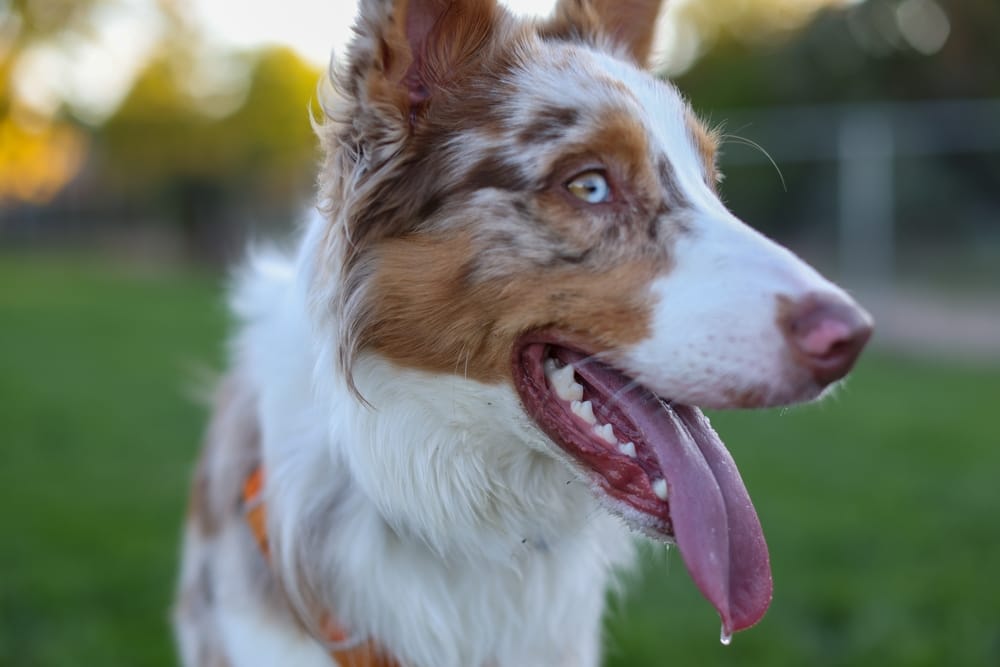
Heat exhaustion in dogs begins with signs most owners write off as normal panting. Six red flags include heavy breathing that won’t quit, red or gray gums, thick drool, and a racing heart. Two more are pressing against cool surfaces and dilated, glassy eyes.
A dog’s body temperature should stay between 100.5 and 102.5°F. Once the cooling system falls behind, temperature climbs fast, and the window to act shrinks with every minute.
Key Takeaways
- A dog’s body temperature should stay between 100.5–102.5°F, and knowing when panting stops being normal is the difference between a close call and a crisis.
- Flat-faced breeds and dogs with heart disease or respiratory conditions face a much higher risk of heat-related illness, and Phoenix’s vehicle and pavement temperatures make that risk worse.
- Knowing what to do in the first few minutes, and what veterinary care looks like once you arrive, can prevent irreversible organ damage.
- Heat exhaustion moves fast, and every dog owner should know the most important takeaways before the next hot day arrives.
- Get answers to the most common questions dog owners ask about heat exhaustion, warning signs, and when to seek care.
How a Dog’s Panting System and Natural Cooling Work, and When Body Temperature Becomes Dangerous
Panting is a dog’s primary tool for staying cool. Moisture evaporates from the tongue, mouth, and upper airway with every breath. This pulls heat out of the body. Water evaporation through the paw pads adds a secondary cooling layer.
Under normal conditions, this system holds body temperature between 100.5 and 102.5°F. When heat builds faster than panting can release it, temperature rises quickly. The body has no backup once panting falls behind.
Temperatures above 106°F cause damage to multiple organ systems and permanent brain injury, according to UC Davis School of Veterinary Medicine. The central nervous system starts to break down at that threshold. Blood vessels dilate beyond what the body can correct. How fast an owner spots the warning signs often determines whether a dog recovers.
Six Warning Signs That Mimic Normal Panting
Early overheating looks a lot like a dog finishing a play session. These six signs separate dangerous heat stress from routine panting. Any one of them is worth watching closely. Two or more together call for immediate action.
- Heavy breathing that does not resolve after rest. Normal panting slows once a dog rests in a cool spot. If rapid breathing continues for several minutes after rest, the body is struggling to cool down. The breathing may also sound louder or more labored than usual.
- Bright red or grayish mucous membranes. Check the gums and inner lining of the lips, which should look pink and moist. Bright red gums mean the body is forcing blood to the surface to release heat. Grayish or pale gums signal that circulation is failing, and that is a medical emergency.
- Thick, sticky drool. Normal drool is thin and watery. Thick, ropy saliva points to dehydration and internal discomfort. You may also notice your dog swallowing repeatedly.
- A rapid heart rate. Place your hand on your dog’s chest behind the left front leg. Normal resting heart rate falls between 60 and 140 beats per minute. A racing pulse that does not slow with rest means the heart is working too hard.
- Seeking cool surfaces. A dog pressing its belly against tile or concrete is trying to dump body heat through direct contact. You might see it move from spot to spot searching for the coldest surface. This signals real distress, not just comfort.
- Dilated pupils and a glassy, unfocused look. As the central nervous system suffers, pupils widen, and the dog may seem confused. It may stop responding to commands or familiar voices.
If you own a rectal thermometer, a reading above 104°F means act now. Above 106°F is a full emergency. Do not wait for all six signs before responding. Overheating can progress to heat stroke, collapse, and seizures within an hour. Cornell University College of Veterinary Medicine warns that this progression can rapidly become life threatening.
Why Brachycephalic Breeds, Heart Disease, and Respiratory Conditions Raise Heat-Related Illness Risk
Some dogs face a much higher risk of overheating because of how their bodies work. Breed, heart health, and respiratory function all play a role in how quickly a dog’s cooling system can fail.
Brachycephalic breeds carry the greatest risk. French Bulldogs, Boston Terriers, and Shih Tzus have shortened airways that restrict airflow. Brachycephalic Airway Syndrome narrows the nasal passages, stretches the soft palate, and tightens the trachea.
These dogs work harder to move the same volume of air as longer-nosed breeds. When temperatures rise, their panting system cannot keep up. A review published in Veterinary Evidence found that brachycephalic dogs are at increased risk of developing heat-related illness compared to non-brachycephalic dogs.
Dogs with heart disease, heart murmurs, or other cardiac conditions face a different challenge. The heart already operates at reduced capacity. Adding heat stress on top of that workload can push it past safe limits. Even moderate outdoor time in warm weather puts extra strain on a weakened heart.
Dogs with respiratory infections, lung conditions, or pleural effusion have less working lung tissue available. Rapid breathing is how the body releases heat, and compromised lungs cannot keep pace.
Cushing’s Disease disrupts hormone levels in ways that weaken the body’s heat response. These patients overheat faster and recover more slowly than healthy dogs.
Overweight dogs also carry a higher risk. Extra body weight acts as insulation, trapping heat and making it harder for the cooling system to keep up. Senior dogs lose efficiency in temperature regulation over time, too.
Phoenix Temperatures Create Conditions That Accelerate Risk
Hot weather safety in the Valley means knowing numbers that go well beyond what most people expect.
The National Weather Service warns that studies have shown the temperature inside a parked vehicle can rapidly rise to a dangerous level for pets and people alike. Pavement temperatures can exceed 150°F under the same conditions. Leaving a dog in a closed vehicle, even briefly, is one of the leading causes of heat emergencies. Midday walks on asphalt are the other.
For flat-faced breeds and dogs with pre-existing conditions, the danger threshold sits lower than it does for other dogs. A temperature a Labrador handles without trouble can send a French Bulldog into heat stress within minutes.
Pavement heat also enters through the paw pads, adding to the effect of hot air above. During Phoenix summers, walks before 7 a.m. or after sunset are the only consistently safe windows.
First Aid, Cooling Measures, and What Veterinary Care Involves After Heat Exhaustion
The first few minutes after you notice warning signs can determine the outcome. Knowing what to do, and what not to do, gives your dog the best chance at a full recovery.
Get your dog out of the heat immediately. Move to a shaded area or air-conditioned space as fast as possible. This stops the ongoing heat exposure that keeps driving body temperature higher. If you are outdoors, look for shade under a tree, awning, or building overhang.
Once your dog is out of direct heat, apply cool water with wet towels to the body. Focus on the neck, armpits, groin, and paw pads, where blood vessels sit close to the surface. Cool water is the right choice.
Ice-cold water or ice packs cause blood vessels near the skin to tighten. That traps heat in the body’s core instead of releasing it, making things worse. You can also point a fan at your dog to speed up evaporation.
What to Avoid and What to Use
Home cooling measures only buy time. A cooling mat can help if one is available. Do not give your dog water to drink if it seems confused, is vomiting, or cannot swallow normally.
A dog that is not fully alert can inhale water into its lungs. That creates a second emergency on top of the first.
Once you start cooling your dog, contact a veterinary team right away. Overheating causes organ damage that you cannot see from the outside. A dog that looks like it is recovering may still have damage to the kidneys, liver, or gastrointestinal tract.
When a patient arrives at a veterinary hospital after overheating, the team assesses severity and starts treatment right away. IV fluids restore blood pressure and support circulation while flushing byproducts of heat stress from the body. Blood work checks for organ damage and electrolyte imbalance.
Blood pressure monitoring tracks how the cardiovascular system responds in real time. Oxygen therapy supports patients whose breathing stays labored after cooling.
Gastric protectants protect the lining of the GI tract, which heat stress can damage. Some patients also need medications to prevent blood clotting problems that overheating can trigger.
Close monitoring over the first 24 to 48 hours protects against permanent organ damage. The sooner a patient reaches professional care, the better the outcome tends to be.
Don’t Mistake Normal Panting for Heat Exhaustion in Dogs
Heat exhaustion in dogs starts with symptoms most people write off as ordinary panting. The six warning signs, the breeds that face higher risk, and the right first-aid steps all matter. Getting them right is the difference between a full recovery and lasting harm.
Phoenix summers push dogs past their limits faster than most owners expect. The signs covered here give you a clear checklist to act on. If something about your dog’s breathing or behavior looks wrong, trust your instincts.
Have your dog seen rather than waiting it out. At Luxe Vet, walk-in urgent care and same-day appointments mean your dog can be seen right away, and peace of mind is always close by. Contact our emergency team the moment something feels off.
FAQs
What is the difference between heat exhaustion and heat stroke in dogs?
Heat exhaustion is an early stage of heat-related illness where body temperature rises, but the dog stays conscious. Heat stroke occurs when temperature passes 106°F. The central nervous system fails, causing collapse or seizures. Both require immediate veterinary care.
Why does ice water make heat exhaustion worse in dogs?
Ice-cold water causes blood vessels near the skin to tighten. When that happens, heat stays trapped in the body’s core instead of escaping through the skin. Cool water applied with wet towels to the neck, armpits, groin, and paw pads is more effective and safer.
Which dog breeds are most at risk for heat exhaustion?
Brachycephalic breeds including French Bulldogs, Boston Terriers, and Shih Tzus are at the highest risk. Brachycephalic Airway Syndrome restricts airflow and limits their ability to regulate body temperature through panting. Dogs with heart disease, respiratory conditions, or Cushing’s Disease also face elevated risk.
What does heat exhaustion look like in dogs?
A dog that was fine minutes ago suddenly can’t settle down. It pants with its mouth wide open and refuses to move from cool flooring. The tongue may hang lower than usual and drool pools underneath. As things get worse, the dog may seem confused, ignore commands, or struggle to stand with wobbly legs.
What are the signs of heat exhaustion in dogs?
Six warning signs stand out. Heavy breathing that won’t slow after rest, bright red or grayish gums, and thick sticky drool are the first three. A rapid heart rate, seeking cool surfaces, and dilated glassy pupils complete the list. Two or more signs together call for shade, cool water, and prompt veterinary care.
Sources
- https://healthtopics.vetmed.ucdavis.edu/health-topics/heat-stroke-dogs
- https://www.vet.cornell.edu/departments-centers-and-institutes/riney-canine-health-center/canine-health-topics/summer-heat-safety-tips-dogs
- https://pmc.ncbi.nlm.nih.gov/articles/PMC13011106/
- https://www.weather.gov/safety/heat-children-pets