Dog sonogram have become an essential diagnostic tool in modern veterinary medicine, helping veterinarians examine internal organs without invasive procedures. Using high-frequency sound waves, these imaging tests create detailed pictures of what’s happening inside your pet’s body, allowing for accurate diagnosis of various conditions from pregnancy to organ abnormalities.
Understanding what happens during a dog ultrasound, including how long the procedure typically takes and what to expect, can help pet owners prepare both themselves and their furry companions for this important diagnostic test. Most dog ultrasounds take between 20-60 minutes depending on the specific examination needed and your pet’s cooperation.
What is a Dog Ultrasound?
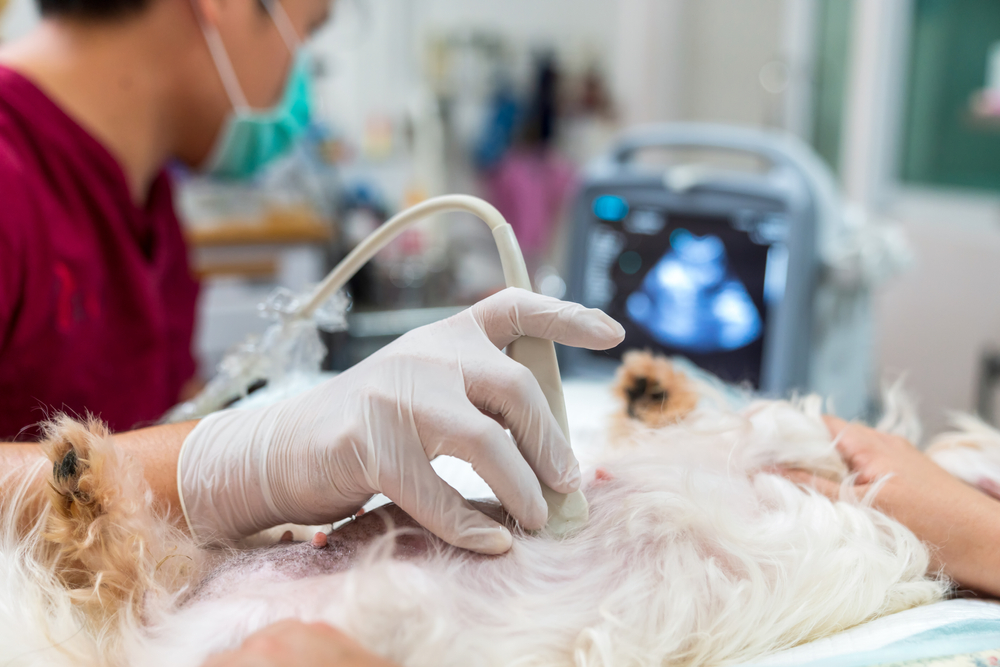
A dog ultrasound is a non-invasive imaging procedure that uses high-frequency sound waves to create real-time images of the internal structures of a dog’s body. During the procedure, a small handheld device called a transducer is moved across the area being examined, sending sound waves into the body that bounce back when they hit different tissues and organs. These echoes are captured and transformed into visual images that veterinarians can interpret on a screen.
Dog ultrasounds provide valuable information about the size, shape, and condition of organs and can detect abnormalities like tumors, cysts, inflammation, or fluid accumulation that might not be visible through other examination methods.
5 Types of Dog Ultrasounds
- Abdominal Ultrasound: Examines the liver, spleen, kidneys, bladder, intestines, and other abdominal organs to detect abnormalities such as tumors, inflammation, or fluid buildup.
- Cardiac Ultrasound (Echocardiogram): Focuses specifically on the heart to evaluate its structure and function, measuring chamber size, wall thickness, valve movement, and blood flow patterns.
- Pregnancy Ultrasound: Confirms pregnancy, determines the number of puppies, monitors fetal development, and estimates delivery dates for expecting dogs.
- Thoracic Ultrasound: Examines the chest cavity to evaluate the lungs and surrounding structures for conditions like fluid accumulation, masses, or other abnormalities.
- Musculoskeletal Ultrasound: Assesses soft tissues like muscles, tendons, and ligaments to diagnose injuries, inflammation, or structural abnormalities affecting your dog’s mobility.
3 Common Reasons Dog Ultrasounds are Needed

Investigating Abdominal Pain or Discomfort
When a dog shows signs of abdominal pain such as vomiting, diarrhea, loss of appetite, or sensitivity when touched, a dog ultrasound can help identify the cause. This imaging technique allows veterinarians to examine the internal organs for inflammation, obstructions, tumors, or other abnormalities that might be causing discomfort.
Ultrasounds are particularly valuable for diagnosing conditions like pancreatitis, intestinal blockages, or liver disease that may not be apparent from blood tests or physical examinations alone.
Pregnancy Confirmation and Monitoring
Ultrasounds provide a safe, non-invasive method to confirm pregnancy in dogs, typically detectable around 25-30 days after breeding. Beyond simple confirmation, these detailed images allow veterinarians to count the number of puppies, check fetal heartbeats, monitor development, and identify any potential complications.
Regular ultrasounds throughout pregnancy help ensure the health of both the mother and her developing puppies, providing crucial information for planning the whelping process.
Heart Condition Assessment
When a veterinarian detects heart murmurs, irregular heartbeats, or other cardiac concerns during examination, a cardiac ultrasound (echocardiogram) becomes an essential diagnostic tool. This specialized dog ultrasound provides detailed images of the heart’s chambers, valves, and surrounding structures while also measuring blood flow patterns.
The procedure helps diagnose conditions like valve diseases, cardiomyopathy, congenital heart defects, or fluid accumulation around the heart, allowing for appropriate treatment plans to be developed for dogs with cardiac issues.
What to Expect During a Dog Ultrasound
Check-in and Medical History Review
– Upon arrival at the veterinary clinic, the staff will verify your dog’s information and review their medical history. This helps the veterinarian understand the specific concerns and determine the appropriate focus for the ultrasound examination.
Fur Preparation
– The veterinary technician will prepare the area to be scanned by shaving or clipping a small patch of fur if necessary. This ensures better contact between the dog ultrasound probe and your dog’s skin, resulting in clearer images of the internal organs.
Application of Ultrasound Gel
– A special water-based gel is applied to your dog’s skin where the dog ultrasound will be performed. This gel helps transmit the sound waves by eliminating air between the probe and the skin, which would otherwise block the signals.
Positioning Your Dog
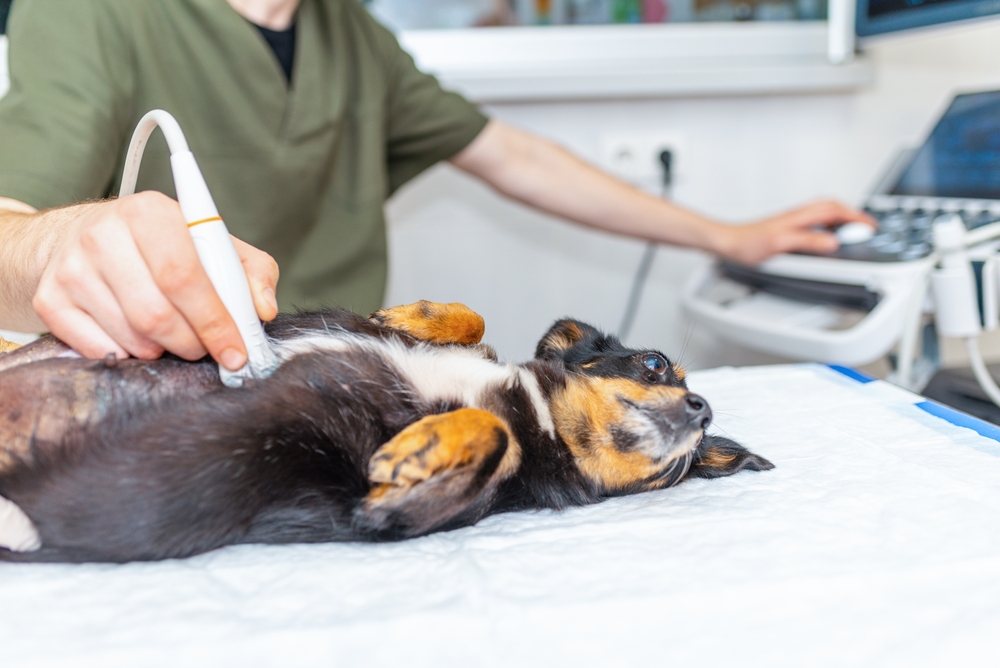
– Your pet will be gently positioned on their back or side depending on which organs need to be examined. For an abdominal ultrasound, dogs typically lie on their back or in a comfortable side position that allows access to the entire abdominal area.
Performing the Ultrasound
– The veterinarian moves a small handheld device called a transducer across your dog’s skin in the area being examined. This device emits sound waves that bounce off internal structures and return to create images that appear on a monitor in real-time.
Image Capture and Evaluation
– Throughout the procedure, the veterinarian captures still images and video clips of different organs and structures. They carefully examine each area of interest, measuring sizes and evaluating tissue characteristics for any abnormalities.
Post-Ultrasound Cleanup
– After completing the dog ultrasound, the gel is wiped off your dog’s fur, and they’re allowed to return to a normal position. The area might remain slightly damp but requires no special aftercare.
Results Discussion
– The veterinarian will typically discuss the preliminary findings with you immediately after the procedure. Some conditions can be diagnosed on the spot, while others might require further analysis of the images or additional tests.
A typical dog ultrasound takes between 20 to 60 minutes to complete, with the actual scanning portion usually lasting 30-45 minutes for a comprehensive examination. The duration largely depends on the specific area being examined and your dog’s cooperation during the procedure. For example, a focused abdominal ultrasound examining just one organ might take only 20 minutes, while a complete abdominal ultrasound scanning all internal organs typically requires 30-45 minutes. Cardiac ultrasounds may take longer due to the detailed measurements and multiple views needed to fully assess heart function.
5 Factors That May Affect How Long a Dog Ultrasound Takes
Size and Body Condition of the Dog
The physical attributes of a dog significantly impact the time required for an ultrasound procedure. Larger dogs have more area to scan, naturally extending the duration of the examination compared to smaller breeds. Additionally, dogs with excess body fat may require more time as ultrasound waves have difficulty penetrating through fatty tissue, potentially resulting in less clear images that need additional time to interpret. Veterinarians might need to make several adjustments to obtain adequate visualization of internal organs in overweight dogs.
Area Being Examined
Different ultrasound examinations vary in complexity and scope, directly affecting the procedure’s duration. A focused ultrasound of a single organ like the bladder might take just 15-20 minutes, while a complete abdominal ultrasound examining all internal organs typically requires 30-45 minutes. Specialized examinations such as cardiac ultrasounds (echocardiograms) often take longer, sometimes up to an hour, due to the detailed measurements and multiple views needed to fully assess heart function. The veterinarian may also need additional time if they discover abnormalities that require more thorough investigation.
Dog’s Temperament and Cooperation
A dog’s behavior during the procedure can significantly impact how long the ultrasound takes to complete. Calm, relaxed dogs who remain still allow veterinarians to obtain clear images quickly and efficiently. However, anxious, fearful, or restless dogs may require additional time for comforting, repositioning, or even mild sedation in some cases. Dogs that pant heavily during the examination can also complicate the imaging process, as the movement can interfere with obtaining clear views of certain organs, particularly those in the abdomen.
Presence of Abnormalities
When a veterinarian discovers abnormalities during a dog ultrasound, the examination time typically extends beyond the standard duration. The veterinarian will need additional time to thoroughly investigate suspicious areas, take measurements, and capture multiple images from different angles to properly document the findings. Complex cases with multiple abnormalities may require consultation with specialists or comparison with previous imaging studies, further extending the time needed. This extra attention ensures that potential health issues are thoroughly evaluated and properly documented.
Veterinarian Experience and Equipment Quality
The expertise of the veterinarian performing the dog ultrasound and the quality of equipment used can significantly affect procedure duration. Experienced veterinarians familiar with dog ultrasound technology can efficiently obtain and interpret images, potentially reducing the overall examination time. High-quality, modern dog ultrasound machines produce clearer images more quickly, allowing for faster and more accurate assessments. Conversely, less experienced practitioners or facilities using older equipment might require additional time to obtain and interpret diagnostic-quality images, extending the typical duration of a dog ultrasound.
Conclusion
Dog sonograms typically take between 20-60 minutes, varying based on factors like the examination area, your pet’s size, temperament, and any abnormalities discovered. This non-invasive diagnostic procedure provides veterinarians with valuable insights into your dog’s internal organs through safe sound wave technology, helping detect conditions ranging from pregnancy to serious health concerns.
If you’re concerned about your pet’s health or have been advised that they might need an ultrasound, don’t hesitate to schedule an appointment with us at Luxe Vet. Our experienced team uses state-of-the-art ultrasound equipment to ensure your furry family member receives the best possible care. Follow us on Facebook and Instagram for more helpful pet health information and updates from our clinic.