
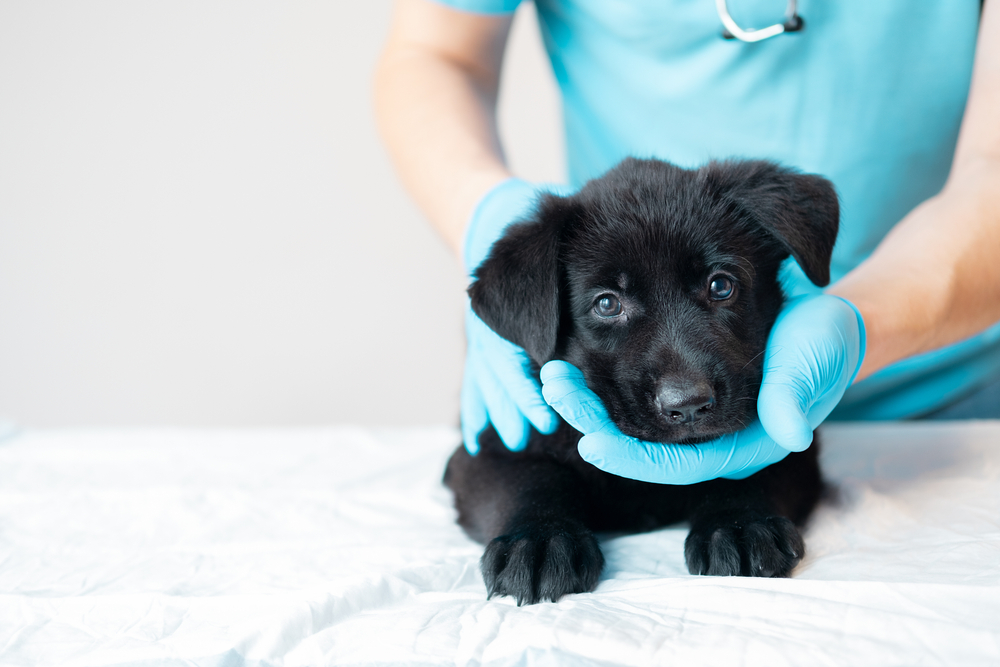
No, the core puppy vaccine schedule remains identical for all breeds and sizes. Whether you’re bringing home a Great Dane or a Chihuahua, the fundamental vaccination timeline follows the same scientific principles, based on maternal antibody decline patterns that occur universally in dogs.
This surprises many pet owners who assume their giant-breed puppy would need different timing or dosages than toy breeds. The confusion is understandable given the dramatic size differences between breeds, but immune system development follows predictable biological patterns regardless of eventual adult size.
What does differ are breed-specific sensitivities to vaccine ingredients, reaction rates in certain genetic lines, and lifestyle factors that determine which additional vaccines your puppy might need beyond the core series. Understanding these distinctions helps you make informed decisions about your puppy’s health while avoiding unnecessary concerns about modified schedules.
Think you know about puppy vaccines? These 5 Facts Might Surprise You
- Core vaccine timing is universal: All puppies start at 6-8 weeks and follow the same schedule regardless of breed or size
- Breed sensitivities exist: Small breeds and certain herding breeds show higher reaction rates, but serious adverse events remain rare
- Lifestyle matters most: Your puppy’s environment, activities, and geographic location determine additional vaccine needs beyond core protection
- Maternal antibodies drive timing: The decline of immunity from mother’s milk follows identical patterns in all breeds, making schedule modifications unnecessary
- Regional diseases require customization: Lyme disease, leptospirosis, and canine influenza needs depend on where you live and how your puppy interacts with the environment
The Truth About Puppy Vaccines: Why Size Doesn’t Change the Schedule
The Universal Vaccination Timeline All Puppies Follow
Every puppy begins their vaccination series between 6 and 8 weeks of age, continues boosters every 3 to 4 weeks, and completes the core series no earlier than 16 weeks. This timing aligns with the natural decline of maternal antibodies that puppies receive through their mother’s colostrum during the first 24 hours of life.
Standard Puppy Vaccine Schedule:
- 6-8 weeks: First DHPP combination vaccine (distemper, hepatitis, parvovirus, parainfluenza)
- 10-12 weeks: Second DHPP booster
- 14-16 weeks: Third DHPP booster (minimum final dose)
- 12-16 weeks: Rabies vaccine (timing varies by state regulations)
Maternal immunity provides crucial early protection but creates complex vaccination challenges. Antibodies from the mother’s milk decline predictably over 6 to 16 weeks across all breeds, creating a window where puppies become vulnerable to disease. The vaccination series ensures a seamless transition to immunity, regardless of individual patterns of antibody decline.
This schedule isn’t arbitrary. According to UC Davis School of Veterinary Medicine, the timing accounts for when maternal antibodies interfere with vaccine effectiveness while preventing dangerous immunity gaps that could leave puppies exposed to infectious diseases.
What DHPP Actually Protects Against
The DHPP combination vaccine forms the cornerstone of canine preventative healthcare, protecting against four serious diseases that have historically devastated dog populations.
The Four Core Disease Protections:
- Distemper: Causes severe neurological symptoms, respiratory distress, and gastrointestinal complications with high mortality rates in untreated puppies
- Hepatitis (Adenovirus): Leads to liver damage and contributes to kennel cough prevention through the CAV-2 component
- Parvovirus: The most dangerous puppy killer, causing severe dehydration through bloody diarrhea and vomiting
- Parainfluenza: Contributes significantly to kennel cough complex and can lead to secondary bacterial infections
Each component addresses diseases that affect all dogs equally, regardless of genetic background or eventual adult size. The canine parvovirus vaccine component provides particularly critical protection during vulnerable puppy periods when immune systems are still developing.
These vaccine-preventable diseases continue to threaten unprotected animals worldwide, making the core vaccination series essential for every puppy’s long-term health.
But Wait—Some Breeds ARE More Sensitive to Vaccines (Here’s What You Need to Know)
The Small Breed Vaccine Reaction Reality
Research shows that toy breeds experience adverse vaccine reactions at rates 2 to 3 times higher than larger breeds. This statistical difference concerns many small dog owners, but perspective matters.
Breeds With Higher Reaction Rates:
- Yorkshire Terriers
- Maltese
- Chihuahuas
- Other toy breeds weighing less than 10 pounds
Most reactions remain mild and self-limiting, resolving within 24 to 48 hours without intervention. Common symptoms include temporary lethargy, mild fever, decreased appetite, and localized injection-site sensitivity.
Serious adverse events requiring emergency treatment occur in less than 0.5% of vaccinations when proper veterinary protocols are followed. The proportionally larger vaccine dose relative to body weight in tiny dogs may contribute to higher rates of reactions. Still, the benefits of vaccination far outweigh minimal risks for all dog populations.
Understanding your small-breed puppy’s increased sensitivity helps you monitor them appropriately after vaccinations, rather than avoiding necessary protection. Extended post-vaccination observation periods allow veterinarians to promptly address any reactions while ensuring your puppy receives full immunity against dangerous diseases.
Herding Breeds Have Their Own Concerns
German Shepherds, Border Collies, Australian Shepherds, and related herding breeds demonstrate increased sensitivity to specific vaccine ingredients, particularly thimerosal preservatives found in some multi-dose vaccine vials.
Herding Breeds Requiring Special Consideration:
- German Shepherds
- Border Collies
- Australian Shepherds
- Other breeds carrying the MDR1 gene mutation
The MDR1 gene mutation affects drug metabolism pathways, potentially altering how these dogs process vaccine components. While this genetic factor primarily affects specific medications, many veterinarians recommend thimerosal-free vaccine formulations as a precautionary measure for affected breeds.
Modern vaccine technology has largely addressed these concerns through alternative preservative systems or single-dose vials that eliminate the need for preservatives. When breed sensitivities are identified, veterinarians select specific vaccine brands or formulations that minimize the risk of adverse reactions while maintaining full immunity against target diseases.
If you own a herding-breed puppy, discussing ingredient sensitivities with your veterinarian helps ensure the safest vaccination approach without compromising vaccine effectiveness.
The “Black and Tan” Phenomenon: When Coat Color Matters More Than Size
Why Some Rottweilers and Dobermans Need Extra Parvo Protection
Research has found that certain breeds, particularly Rottweilers, Doberman Pinschers, and German Shepherds, are more susceptible to canine parvovirus. A University of Pennsylvania study found that Rottweilers had a sixfold higher risk and Doberman Pinschers had a threefold higher risk of parvovirus enteritis compared to other breeds. Many of these high-risk breeds share black-and-tan coat coloration, leading some veterinarians to recommend additional parvovirus boosters at 20 weeks of age for these populations as a precautionary measure.
Breeds Requiring Additional Parvovirus Protection:
- Rottweilers with black and tan coloration
- Doberman Pinschers
- German Shepherds exhibiting black and tan coat patterns
Dogs with these genetic markers show greater susceptibility to parvovirus infection, prompting veterinary researchers to recommend an additional parvovirus booster at 20 weeks of age, beyond the standard 16-week final dose.
This extra protection addresses genetic vulnerability rather than incomplete immunity from the standard series. The recommendation applies specifically to black-and-tan coat patterns in susceptible breeds, not to all members of these breed families.
What Actually DOES Differ: Lifestyle Trumps Breed Size Every Time
Geographic Location and Your Puppy’s Vaccine Needs
Regional disease-prevalence patterns inform clear vaccination guidelines that supersede breed-based considerations. Where you live determines your puppy’s exposure risks more significantly than genetic background.
Regional Disease Considerations:
- Lyme disease: Concentrated in Northeast and Upper Midwest states where deer tick populations thrive in wooded environments
- Leptospirosis: Urban puppies face contaminated puddle risks while rural dogs encounter wildlife-frequented water sources
- Canine influenza: Metropolitan outbreak areas require protection regardless of breed populations
- Rattlesnake exposure: Southwest regions necessitate bite prevention vaccines for all dogs
Tick-borne diseases follow predictable geographic patterns based on climate, wildlife populations, and vector habitat requirements. The Borrelia burgdorferi bacteria that cause Lyme disease require specific temperature and humidity conditions for deer tick survival, creating risk zones where vaccination becomes essential.
Climate factors influence the distribution of vector-borne diseases more effectively than breed characteristics. Warmer regions support year-round tick populations, requiring enhanced protection, while northern climates may have seasonal risk periods that affect vaccination timing recommendations.
Your veterinarian assesses local disease prevalence when recommending noncore vaccines, making geographic risk assessment more important than genetic background for comprehensive protection planning.
Socialization, Boarding, and “Lifestyle Vaccines”
Early socialization during critical developmental periods between 8 and 16 weeks provides tremendous behavioral benefits, but group activities increase exposure to infectious diseases. Balancing these competing priorities requires strategic vaccination planning.
When Lifestyle Vaccines Become Necessary:
- Puppy training classes and daycare facilities
- Boarding kennels during family travel
- Dog parks and organized play groups
- Hunting, field trials, or working dog activities
The Bordetella vaccine protects against kennel cough, with intranasal formulations providing local immunity within 48 to 72 hours, compared with 2 to 3 weeks for injectable formulations. This rapid onset makes intranasal vaccines preferred for puppies entering social environments before completing their full vaccination series.
Many boarding facilities mandate current kennel cough vaccination as an admission requirement, making lifestyle factors rather than breed characteristics the determining factor in vaccination decisions. Some facilities require additional protection against canine influenza or regional diseases beyond core vaccine recommendations.
Veterinarians help you coordinate vaccination schedules with exposure timing to maximize both protection and developmental benefits during your puppy’s formative weeks.
Making the Right Decision for YOUR Puppy
The evidence demonstrates that successful puppy vaccinations require balancing universal scientific principles with individualized risk assessment. Core vaccination schedules remain consistent because maternal antibody decline and immune system development follow predictable patterns across all breeds.
However, breed-specific sensitivities to vaccine ingredients deserve consideration when selecting formulations. Small breeds and herding breeds benefit from careful monitoring, while black-and-tan coat patterns in certain breeds may warrant additional parvovirus protection.
Your puppy’s lifestyle, geographic location, and planned activities ultimately determine comprehensive vaccination needs more than genetic background. Working with experienced veterinarians who understand both the fundamentals of immunology and the nuanced risk factors ensures optimal protection strategies.
Contact Luxe Vet’s experienced veterinary team to develop customized vaccination protocols that maximize protection while minimizing the risk of reactions for your puppy’s unique circumstances.
FAQs
What vaccines do dogs need?
All dogs require core vaccines protecting against distemper, adenovirus (hepatitis), parvovirus, parainfluenza (DHPP combination), and rabies. These protect against diseases that affect all dogs, regardless of breed or lifestyle. Additional noncore vaccines depend on your location and activities, including Bordetella for kennel cough, Lyme disease vaccine in tick-endemic areas, and leptospirosis vaccine in regions with contaminated water sources.
What shots do puppies need?
Puppies need the DHPP combination vaccine series starting at 6 to 8 weeks of age, continuing every 3 to 4 weeks until at least 16 weeks old, plus a rabies vaccine between 12 and 16 weeks of age. Additional shots may include Bordetella vaccine for socialization activities and Lyme disease vaccine in tick-prevalent regions. The complete vaccination series establishes immune memory that booster injections maintain throughout your dog’s life.
When do puppies get their first shots?
Puppies receive their first vaccination between 6 and 8 weeks of age, when maternal antibodies begin to decline. Starting earlier risks interference from maternal immunity, while delaying past 8 weeks creates dangerous immunity gaps. The first immunizations typically include the DHPP combination vaccine, with subsequent boosters every 3 to 4 weeks until at least 16 weeks.
Which dog vaccines are necessary?
The necessary vaccinations include distemper, adenovirus, parvovirus, and rabies, which are considered core vaccines because they protect against severe, widespread, or legally mandated diseases. All other vaccines are noncore or lifestyle vaccines, recommended based on individual risk factors. Cost considerations shouldn’t prevent core vaccinations, as treatment expenses for these diseases far exceedthen cost of preventions.
What is DHLPP vaccine for dogs?
The DHLPP vaccine protects against five diseases: distemper, hepatitis, leptospirosis, parvovirus, and parainfluenza. This extends the standard DHPP by adding protection against leptospirosis. Some veterinarians administer leptospirosis separately to reduce reactions in sensitive breeds, particularly toy breeds, which have higher rates of adverse events.